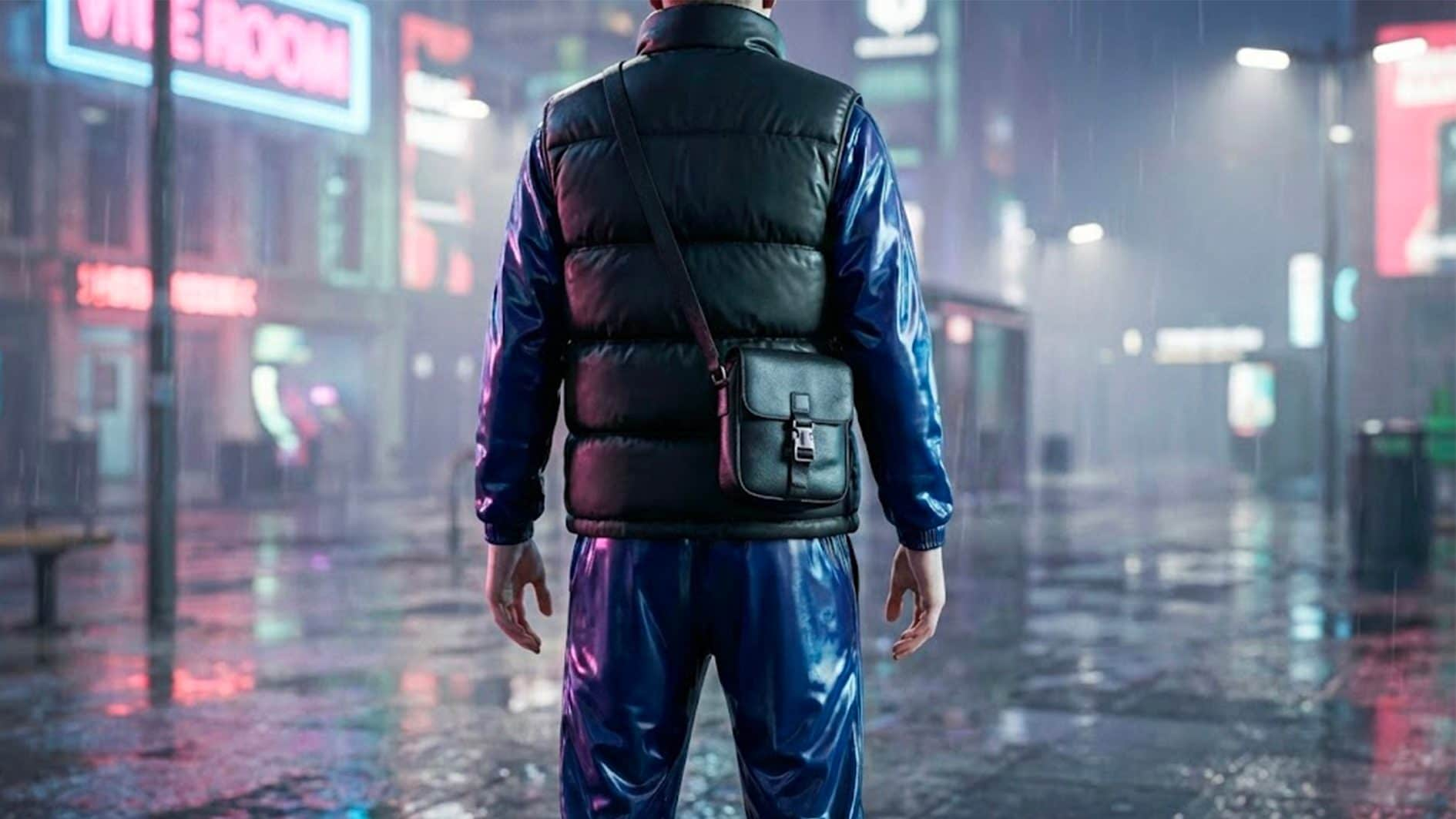
In recent years the word “maranza“has entered everyday language: we find it on social media, in newspapers and even in fashion. This term refers to them groups of very young kidsoften loud and recognizable for their flashy style and street attitude.
Maranza means, in Italian jargon, an individual belonging to groups and groups of young people noisy. But, behind the label there are teenagers and pre-adolescents – between 9 and 17 years old – who grew up mainly in the suburbs and in an increasingly multicultural Italy. For many of them the street is not just a physical place, but a space of sociality and belongingsometimes the only place to feel seen. In some cases this need for recognition can lead to problematic behaviors.
The phenomenon divides: there are those who dismiss them as hooliganie who, instead, reads the signal of a youthful distress deeper, made of fragility, precariousness and request for attention.
The birth of the term “maranza”
The term “maranza” was born in Milan in the 1980sit is a regionalism typical of the youthful language of the Milanese suburbs. Already Jovanotti in his song The leader of the gang of 1988 he said: “My name is Jovanotti and I am in this environment; of madmen and mentally ill people (…)”. The word had, therefore, already taken hold and indicated a very specific category of people: street kids tamarriwith a flashy look and a tough attitude.
The etymology of this neologism is uncertain: for some it derives from the noun “Moroccan” combined with the adjective “zanza” (i.e. “sly” in Milanese dialect); for others from the term “maranza”which in the south indicates aubergine, but used in a derogatory sense. The noun survived in the youth lexicon of the 1990s and 2000s, but previously it was linked to the world of dance music and nightclubs, today the “maranzino” has taken on new nuances of meaning at a national level thanks to social media and fashion.
What does “maranza” mean today?
The Maranza are – according to the majority public opinion – young people aged 9 to 17, who live on the streets, juggling thefts and small robberies, baby gangs, craised in the suburbs, children of the Italian multicultural society.
But “maranza” refers more precisely to one style: acetate suits, flashy glassesManchester or Milan shirts on your feet Air Jordans and in the head capsaround the neck gold chains and of course the inevitable “purse”, the shoulder bag, preferably with the brand clearly visible, it doesn’t matter if real or fake. It’s a mixing aesthetic sports fashion, urban culture and a certain pride due to its popular origins. Attention to one’s look is nothing new as a subculture, in order to differentiate itself, also defines itself through specific characters aesthetic and dress codes. Just think of the hippies, punks, emos and goths in the past. The way of dressing is accompanied by a predilection for some musical genres: the playlist consists of trap, rap And drilla trap subgenre born in Chicago in 2010.
The social phenomenon is based, therefore, on a sense of belonging to the group built on conformity to norms and codes that regulate it, a reaction born from desire to stand out from the crowd to the detriment of one’s individual expression. From a behavioral point of view, in fact, the Maranza often moves in a groupspeaks in a direct and sometimes aggressive tone, using a colorful and vulgar vocabulary (even if it is not the norm), showing off confidence with veiled arrogance.
With the advent of social media, the Maranza have made themselves known by moving from the physical suburbs to the digital squares. On TikTok The “maranza-core” has become a genre of viral videos, full of tracksuit choreographies, luxury cars, slang phrases and an irony that plays between provocation and self-parodywhich indicates an awareness of the social phenomenon to which they know they belong and of stereotypes in which they recognize themselves.
On the one hand it is a fascinating way to express belonging and identity in an authentic way, while on the other hand this visibility has generated adverse reactions in those who are not familiar with the phenomenon: the Maranza have been accused of promoting antisocial behaviors.
What’s behind the stereotype?
Behind the stereotype of the noisy boy who hangs out in stations and subways there are often hidden conditions economic and family hardship And need for recognition by the authorities and institutions. If these issues sound familiar, it’s probably because they are theecho of an increasingly fragile generationmarked by loneliness, anxiety and insecurity towards the future. The phenomenon is also fueled by a progressive impoverishment of the physical and symbolic spaces in which one can express oneself.
In Italy, the people between 18 and 35 years old they represent less than a fifth of the population, yet they are among the most affected by housing insecurity, job instability And lack of accessible services. The need for psychological support it is evident, but the public offer still seems insufficient: according to statistics, the psychologist bonus in 2022 was able to cover just 10% of the total requests received. The combined effect of isolation, economic uncertainty and lack of meeting places it is profoundly impacting the quality of life and the ability of new generations to imagine a stable future.
In light of all this, the Maranza attitude can be read as a noisy response to the world around them: a form of rebellion, but also of self-defense, of the desire for visibility and social redemption. When society judges without understanding, young people react by building a languagea style and its own codes, to feel part of something. The Maranza subculture becomes like this a mirror that less reflects the distance between center and periphery and much more the gap between adults and young people, between those who feel represented and those who, instead, perceive themselves on the margins. Reducing the phenomenon to a passing fad or a question of public order is a convenient but short-sighted shortcut.
