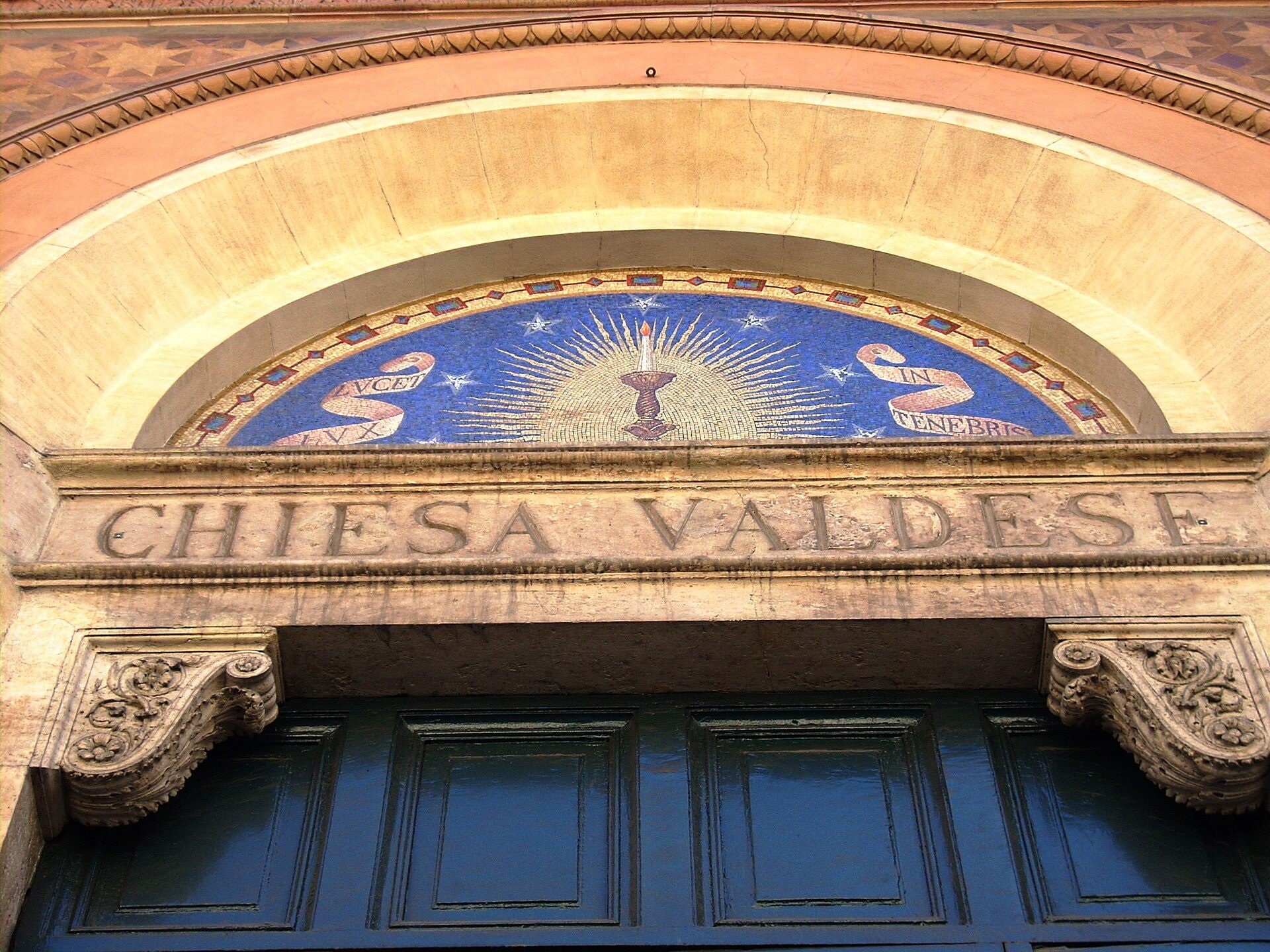
The Waldensians are the followers of Waldisma Christian religious denomination born in the 12th century by the work of Pietro Valdo (also known as Valdo di Lyon) adherent to the principles of Protestantism since the sixteenth century. The Waldensians they do not recognize the authority of the pope and the Catholic clergy, but in recent years they have undertaken a dialogue with the Holy See. Their doctrine is characterized byliberal attitude on ethical questions and for the recognition of the full secularity of the State. The number of Waldensians is not known exactly: in Italy there are around 20,000concentrated above all in the “Waldensian valleys” in the province of Turin; approximately another 13,000, descendants of Italian emigrants, live in Argentina and Uruguay.
Who are the Waldensians: ethical and doctrinal principles
The Waldensians constitute a Evangelical Christian Churchpresent in Italy and some South American countries. They owe their name to Valdo di Lyon, also known as Pietro Valdo, who founded the new confession in the 12th century. The movement is known as Valdism. The Waldensians believe in Jesus and follow the principles of Protestantism (although, as we will see, they were born before the Protestant Reformation). They therefore do not have a clergy that acts as mediator between man and God, as in the Catholic case, but only shepherds and other figures responsible for guiding the community of the faithful. Unlike Catholic priests, Waldensian shepherds do not have to be celibate and women can also become shepherds.

The Waldensians profess ideas different from those of the Catholic Church on many ethical-political issues. First of all, they are in favor of full separation between State and Church and in recent times they have supported the abolition of the crucifix in schools. Furthermore, they have a much more liberal attitude on ethical issues, such as abortion and euthanasiarespecting the freedom of choice of individuals. Regarding thehomosexualitythe Waldensian churches agree to bless same-sex couples and are committed to combating homophobia. The Waldensians are also in favor of living willi.e. the document in which you declare which medical treatments to undertake in the event of your inability to communicate. They also support scientific and medical research without delay.
Despite their differences, the Waldensians they dialogue with the Catholic Church and I am recognized by the state Italian, to the point that the Waldensian Church (more precisely, the Union of Methodist and Waldensian Churches) is one of the religious confessions to which citizens can allocate 8 x 1000 of their personal income tax.
How many Waldensians are there and where do they live?
The Waldensians in the world are around 35,000 (although different estimates also exist). Approximately 20,000 live in Italy and the remainder in two South American countries, Argentina and Uruguay. In Italy the Waldensians are present above all in their historical area of diffusion, the Waldensian valleysin the province of Turin: Val Pellice, Val Chisone and Valle Germanasca. The “capital” of Valdism is considered to be the town of Torre Pellice. In total, in the Italian peninsula there are 120 Waldensian churchesof which 41 are located in Piedmont. The followers of the movement are gathered in the Waldensian Evangelical Churchwhich in 1975 joined the Methodist Church giving life toUnion of Methodist and Waldensian Churches.
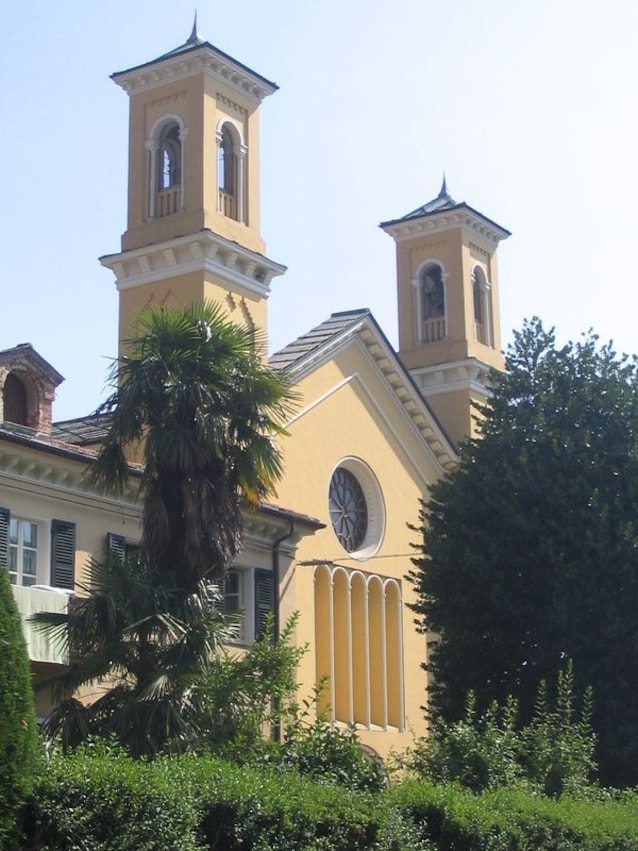
Many Waldensians are active in the intellectual world and in politics. Recently, two followers of the movement took over the position of minister: Valdo Spiniminister of the environment between 1993 and 1994 in the Amato I and Ciampi governments; Paolo Ferrerominister of social solidarity between 2006 and 2008 in the Prodi II government.
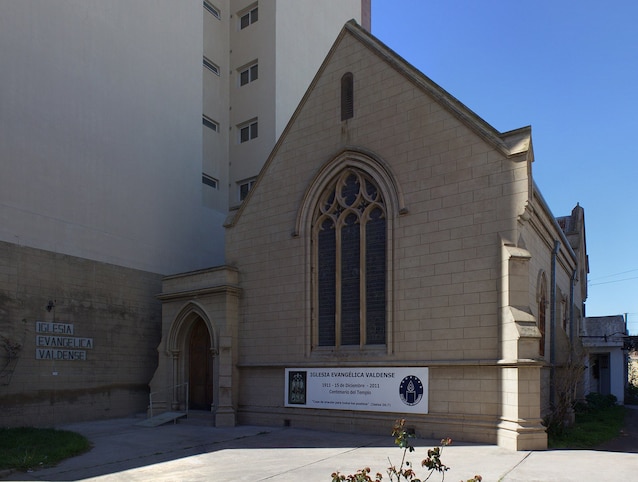
The Waldensians are also present in Argentina and Uruguayapproximately 13,000 in number, and they are descendants of Italian emigrants. They are gathered in the Iglesia Evangelica Valdense del Río de la Plata.
The Waldensians were also present in other countries that attracted Italian emigration, such as the United States, but over the years they became merged with other religious confessions, first of all the Presbyterian one, losing their identity.
The history of Valdism
Valdism was born in the 12th century, when several pauperistic movementswho preached the poverty of the Church and the return to the values of early Christianity. It was the same context in which, thanks to Francis of Assisi, the Franciscan movement developed. He was the founder of the Waldensian movement Pietro Valdoa merchant from Lyon, who was impressed by the Gospel, in particular by a phrase of Jesus reported by Matthew: “If you want to be perfect, go, sell what you have, give to the poor and you will have treasure in heaven. Then come, follow me”.
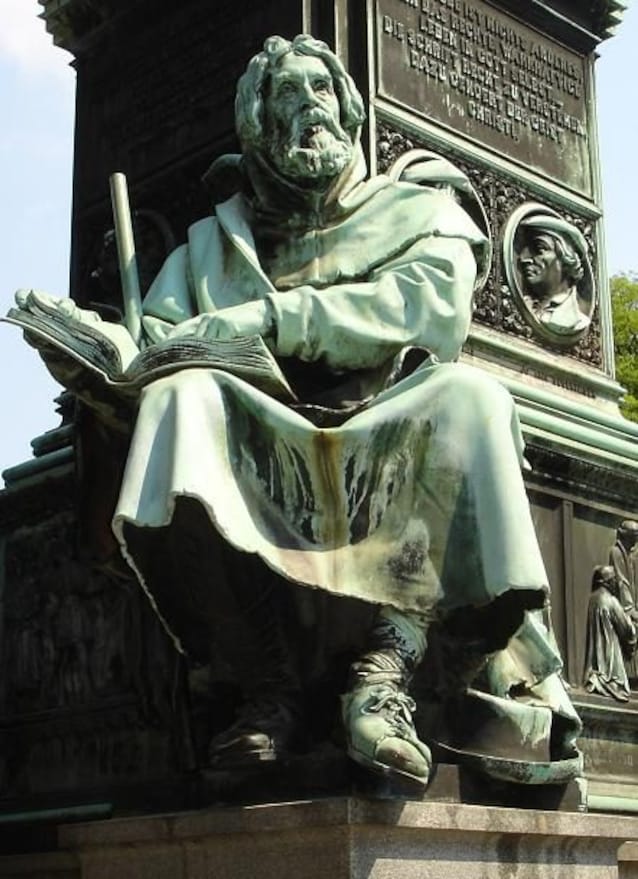
Waldo decided to adopt this model of life and surrounded himself with a group of followers, who became known as the Poor people of Lyon. The foundation of the movement can be traced back to 1174. The Poor of Lyon declared themselves faithful to the Pope and tried to obtain the recognition of the Church. A delegation went to Rome to meet the pontiff Alexander IIIwho however did not recognize the movement, because the Waldensians claimed to be able to preach the Holy Scriptures, something which, for Catholics, is reserved for the secular clergy. In 1184, therefore, they were excommunicated along with other heretical movements by Pope Lucius III. They also underwent a split and, at the beginning of the 13th century, they were left without their founder, Waldo, who died in 1206 or 1207 (the exact date is not known). Nonetheless, Waldism spread to various European regions. The followers of the movement suffered a harsh repression but, unlike other pauperistic movements such as the Cathars, the Holy See failed to eradicate them completely.
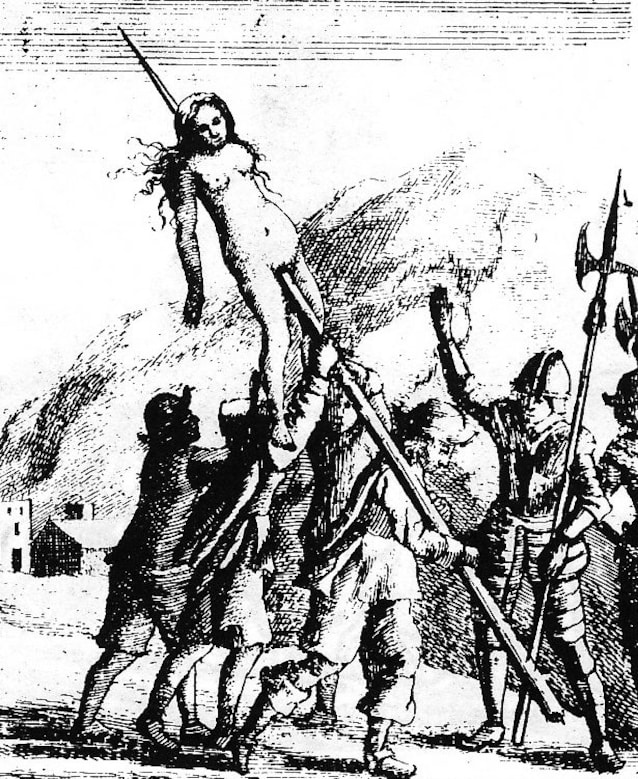
In the sixteenth century the Waldensians joined the Lutheran reformaccepting the principles of Protestantism. In the following centuries, when their presence was now limited to Piedmont alone, they suffered various persecutions and massacres at the hands of the Dukes of Savoy. but they managed to resist.
Only in 1848 did the king Carlo Alberto granted them civil and political rightsrecognizing the legitimacy of the movement. In the twentieth century the Waldensians began a dialogue with the Catholics and reached some agreements, including the recognition of mixed marriages. A further step on the path to dialogue took place in 2015, when Pope Francis he visited a Waldensian temple in Turin (he was the first pope in history to do so) and asked for forgiveness for the persecutions that, over the centuries, the Catholic Church has inflicted on the followers of the movement.
