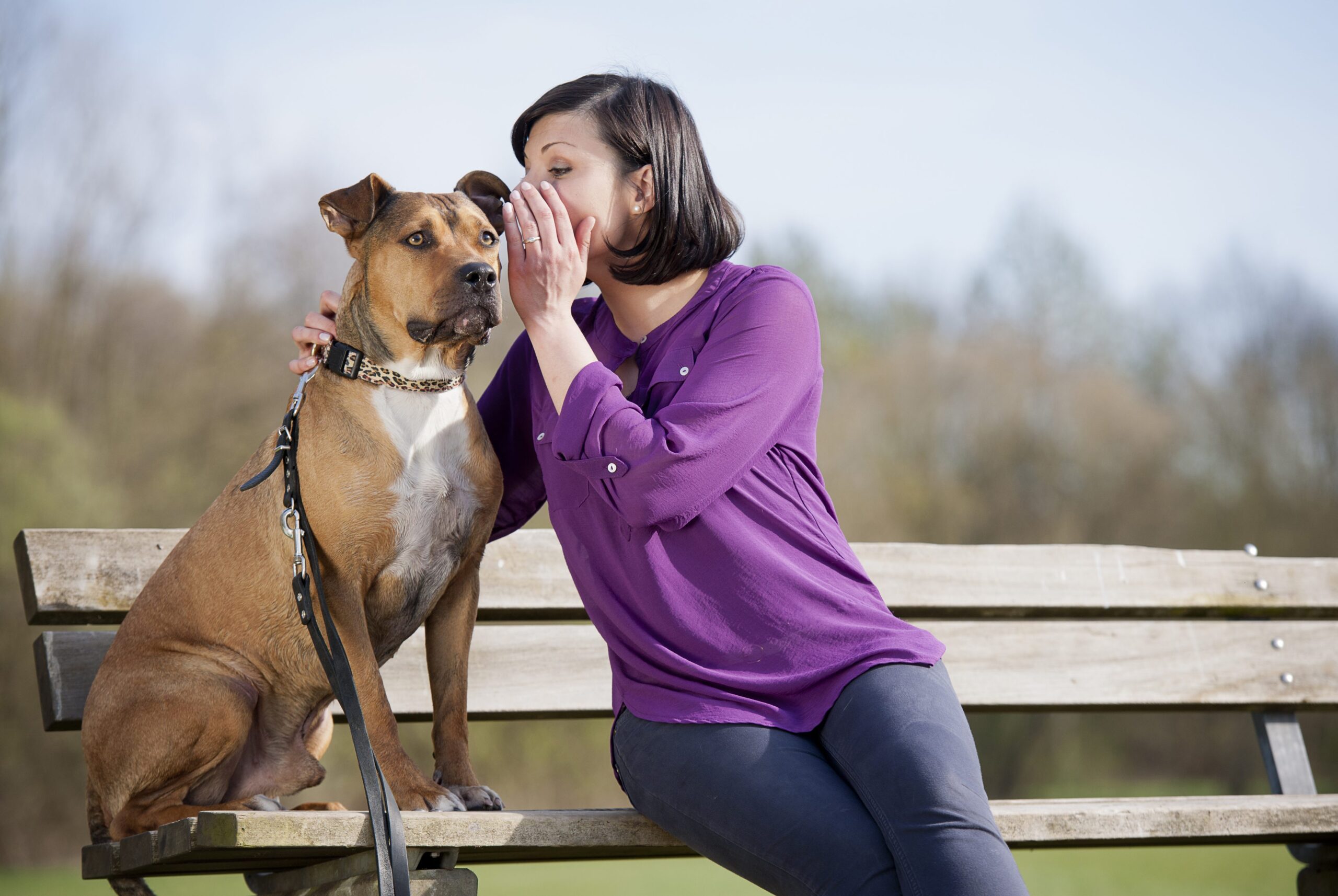
Have you ever found yourself at tell to yours dog your day, or to explain in detail to yours cat why it is the most extraordinary animal on planet earth? If the answer is yes, don’t worry, you are not the only one, in fact, it is such a widespread behavior that it has come under the scrutiny of science. At the basis of this attitude is our tendency to anthropomorphize animals, or to give them typically human characteristics, even more so if they are our pets. However, it is not just our mental projection: our talking to animals triggers real things physiological benefitslinked to the release of oxytocin, and finds a surprising response in our dogs, capable of decode words and intonations much more than we imagine.
The meaning of talking to dogs and cats: the psychological factors why we do it
Science offers us an answer based on three psychological mechanisms which, united together, push us to humanize furry animals.
First, the human is anthropocentricthat is, he tends to use itself as a measurement parameter of all things. It’s a simple mechanism: we know our emotions and thoughts perfectly, while those of animals are obscure to us. Consequently, when we try to understand our dog or cat, the brain uses the most immediate shortcut: it projects onto them what we feel. In psychology it is called “egocentric anchoring”. It works a bit like it does for young children, who struggle to distinguish their own point of view from that of others. Even as adults, when we don’t have enough information (or energy) to analyze animal behavior objectively, our “egocentric” instinct takes over and we attribute human thoughts to them.
The second factor is ours intrinsic need to interact effectively with the environment and to make it predictable. Attributing human characteristics and motivations to non-human agents makes it easier for us make sense to their actions, reducing uncertainty and increasing our confidence in future predictions about their behavior.
The third and perhaps most moving factor is the deep and basic desire to establish social connections, so strong that it is also sought after with animals, which can become gods substitutes for social relationships typically human. One of the data emerging from the research states that the loneliest people (whether loneliness chronic or temporary) are more likely to anthropomorphize their pets. The latter become effective social connections when human connection is missing.
Interacting with animals produces oxytocin and reduces stress
Human-animal interaction is associated with many positive effects, including improved mood, promotion of social behavior, and clear reduction in stress-related parameters. A fundamental explanation for these benefits lies in the activation of oxytocin systemoften nicknamed the “love hormone”.
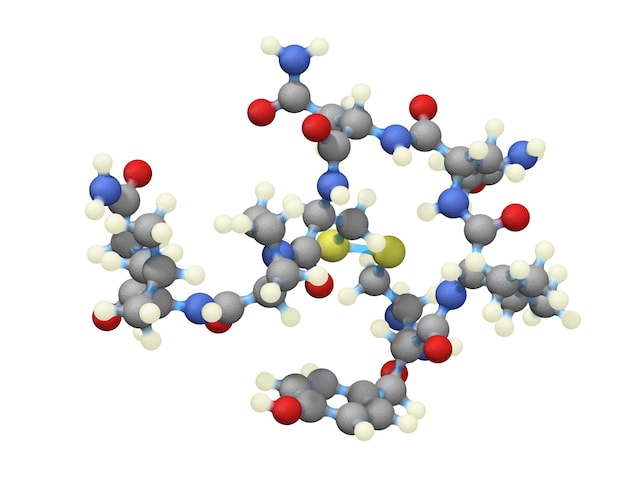
Oxytocin is released in the body in response to sensory stimuli such as touchThe heat and the act of caressespecially in contexts of relationships based on trust. Interaction with pets, especially dogs, has been shown to cause a significant increase in oxytocin levels in both humans and animals. This release of oxytocin has anti-stress effects: reduces cortisol levels (the stress hormone), lowers blood pressure and heart rate, and has an anxiolytic effect. The beneficial effect is stronger the more intimate the relationship is: in fact, petting your own pet produces a greater increase in oxytocin than petting an unknown animal.
So when we talk to our animal, we don’t just stay satisfying our needs of understanding and social connection, but we are triggering a biological cycle of well-being. Our animal, while not responding with words, actually responds in a way that activates our neural reward system (integrating meaning and tone), while physical contact releases oxytocin, which in turn reduces our stress.
Ok, they don’t answer with words, but do they understand?
This may sound surprising to those who don’t have a dog, but much less so to those who have one: even if they can’t respond with words, dogs are exceptionally good at decode our intentions communicative, thanks to a neural system that is partly similar to the human one.

The studies of functional magnetic resonance imaging on awake dogs they demonstrated that:
- They elaborate the meaning: dogs show left-hemisphere lateralization for processing words that have meaning, regardless of the intonation used. This suggests that, just like humans, dogs maintain lexical representations independent of acoustics.
- They process the tone: emotional information conveyed by intonation (particularly the more affective, high-pitched tone we use when speaking to them, which is similar to the one we use with newborns) is processed in an auditory region in the right hemisphere.
- They integrate the two signals for the reward: their neural reward system (primary brain regions linked to pleasure, such as the ventral striatum nucleus) responds most strongly only when both lexical meaning and intonation are consistent with praise.
In essence, the dog recognizes both the What you say (“Bravo!”) is the as you say it (happy tone), and he understands that you are offering a reward only when both signals match. This suggests that the ability to analyze and integrate meaning And intonation it is not a uniquely human ability deriving from the faculty of language, but a more ancient function, also present in non-linguistic species and strongly domesticated like the dog, accustomed for tens of thousands of years to living alongside us.
