Ecology

Immagine

Supermarket refrigerators hacked in Europe: temperatures as high as 50°C and risks for Italy

Cyber ​​attacks on refrigeration systems have affected supermarkets in Belgium, Sweden, Luxembourg and Estonia, with temperatures in some cases set at 50°C and food having to be thrown away. After the case of France, here’s how hackers can act and how to protect plants in Italy too. In the night between Sunday 1st and Monday 2nd Novemberthere were problems with ...

Pompeii, a woman's wardrobe resurfaces: jewels and amulets that were sealed for 2,000 years

Pompeii, a woman’s wardrobe resurfaces: jewels and amulets that were sealed for 2,000 years

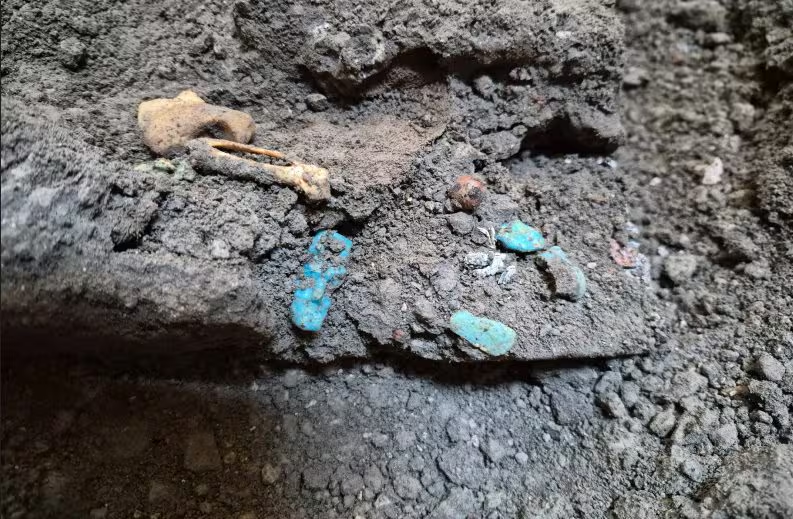
A cupboard containing personal care items, children’s amulets, lead weights and 38 coins was found in Pompeii. The discovery, perhaps linked to the female sphere, offers a glimpse of domestic life before the eruption of 79 AD A wooden wardrobewith his content still partly recognisable, it was brought to light during excavations in one domus from the Royal IX Of ...

No Internet connection even with the phone slots full: how come this happens

No Internet connection even with the phone slots full: how come this happens

Here are some possible reasons why you may notice slowdowns in web browsing from your phone even if all the connection bars are “full”: different algorithms, cell phone crowding or an indicator that is not updated in real time. The bars of Wi-Fi or data connection they are all full, yet the page Web it charges a lot slowlya video ...

In Cyprus, flowers were part of funerary rituals as early as 3,200 years ago: the study at Hala Sultan Tekke reveals this

In Cyprus, flowers were part of funerary rituals as early as 3,200 years ago: the study at Hala Sultan Tekke reveals this

At Hala Sultan Tekke, Cyprus, Bronze Age plant remains suggest that cereals, fruits and flowers were used in funerary offerings not only for food purposes. Some plants may have been intentionally burned during rituals. In CyprusBronze Agemore than 3200 years agoplants not only served as food or raw material: they could also have a symbolic role in funeral ceremonies and ...

Lithium identified in clay rocks: up to 54% is associated with pyrite, "fool's gold"

Lithium identified in clay rocks: up to 54% is associated with pyrite, “fool’s gold”

Analyzing 15 samples of sedimentary rocks, researchers at West Virginia University found that up to 54% of the lithium present was associated with the pyrite-containing fraction. The preliminary results could open new perspectives for research and energy transition. A group of researchers from West Virginia University has identified a possibility new source of lithium in organic shales, sedimentary rocks in ...