Everything is connected: what graph theory is for and why it is the key to understanding complex systems
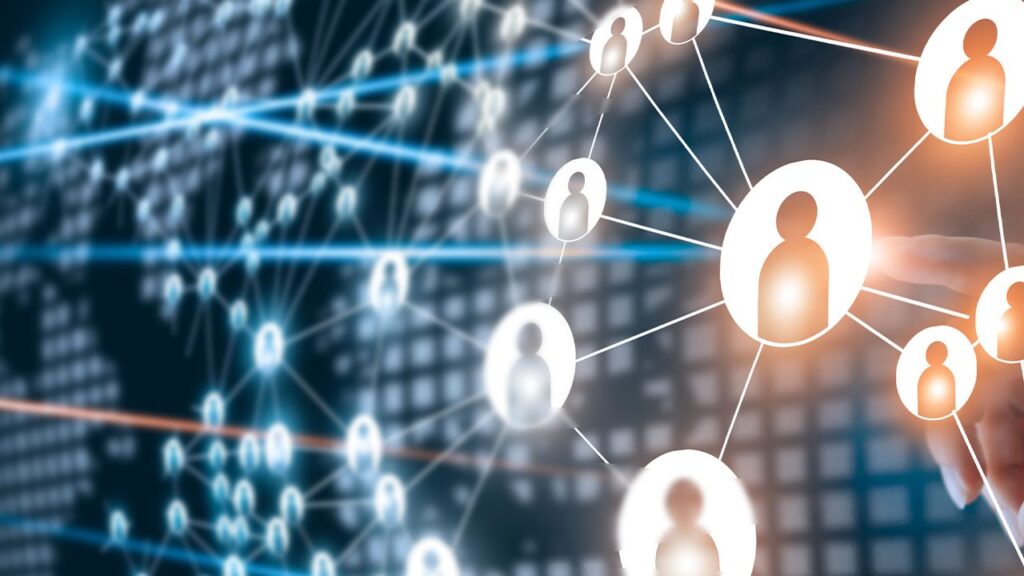
In recent decades, it technological development and the possibility of collecting huge amounts of data they have changed the way we look at the world. Today we have networks that can contain millions of interacting elements: networks of people, digital networks, biological networks, infrastructural networks.These systems show non-intuitive behaviorsdifficult to predict by studying only their individual parts. To understand them, ...